手机扫一扫访问本页内容
微信扫描点右上角"···"分享到好友或朋友圈
关闭微信扫一扫可打开小程序

微信长按图片或搜“分享录”可打开小程序
关闭所有网站仅收藏以便访问,如有不当之处请联系删除!以下排名不分先后!也欢迎大家留言推荐更多好网站。
政府机构
中国政府网: http://www.gov.cn
工信部网站:http://www.miit.gov.cn
国家企业信息信用公示系统: http://www.gsxt.gov.cn
全国个人诚信公共服务平台: http://www.11-22.cn
全国公民身份证号码查询服务中心: http://www.nciic.com.cn
中国庭审公开网: http://tingshen.court.gov.cn
中国裁判文书网: http://wenshu.court.gov.cn
中国公共招聘网: http://www.cjob.gov.cn
广东政务服务网: http://www.gdzwfw.gov.cn
广东省教育考试院: http://eea.gd.gov.cn
广东人事考试网:http://rsks.gd.gov.cn
广州市人力资源及社会保障局网上办事系统:http://gzlss.hrssgz.gov.cn
广州来穗人员服务管理局网站:http://lsj.gz.gov.cn
广州市来穗人员积分服务平台:https://djf.lsj.gz.gov.cn/bjfpublic/proxy/skin_1/index
学信网: https://www.chsi.com.cn
中国及多国专利审查信息查询: http://cpquery.cnipa.gov.cn
中国计算机技术职业资格网: http://www.ruankao.org.cn
中国版权保护中心:http://www.ccopyright.com.cn
开发相关
Apache软件基金会(Apache Software Foundation,简称为ASF): http://www.apache.org
Docker Hub: https://hub.docker.com
Google Developers 中国网站: https://developers.google.cn
Oracle: https://www.oracle.com
Java:https://www.java.com
Spring: https://spring.io
Nginx:http://nginx.org
Tomcat:http://tomcat.apache.org
MySQL: https://www.mysql.com
MongoDB: https://www.mongodb.com
Redis:https://redis.io
Maven:https://maven.apache.org
MyBatis:https://mybatis.org
Hibernate: http://hibernate.org
Struts: https://struts.apache.org
Jetbrains:https://www.jetbrains.com/products.html
Eclipse: https://www.eclipse.org
Genuitec:https://www.genuitec.com
Gradle:https://gradle.org
Subversion:http://subversion.apache.org
Git:https://git-scm.com
TortoiseSVN:https://tortoisesvn.net
jQuery: https://jquery.com
Node.js:https://nodejs.org
AngularJS: https://angularjs.org
Vue:https://vuejs.org
Bootstrap:https://getbootstrap.com
Font Awesome:https://fontawesome.com/
Font Awesome中文网:http://www.fontawesome.com.cn
代码托管
GitHub:https://github.com
博客论坛
CSDN:https://www.csdn.net
博客源:https://www.cnblogs.com
ITeye: https://www.iteye.com
OSChina:https://www.oschina.net
Discuz:https://www.discuz.net
远景论坛: http://www.pcbeta.com
IT之家: https://www.ithome.com
资源下载
便携软件: https://portableapps.com
I Tell You: http://msdn.itellyou.cn
电驴大全: http://www.verycd.com
Chrome商店Crx离线安装包下载:http://yurl.sinaapp.com/crx.php
工具
站长工具: http://tool.chinaz.com
在线工具:https://tool.lu
JSRun:http://jsrun.net
临时邮箱:https://www.linshiyouxiang.net
地址生成:https://www.dizhishengcheng.com
查看IP地址:https://whatismyipaddress.com
其他
查看苹果服务器状态:https://www.apple.com.cn/cn/support/systemstatus
直播中国:http://livechina.cctv.com/index.shtml

 扫码打开小程序可评论文章保存图片,在“我的”有实时在线客服哦,看效果?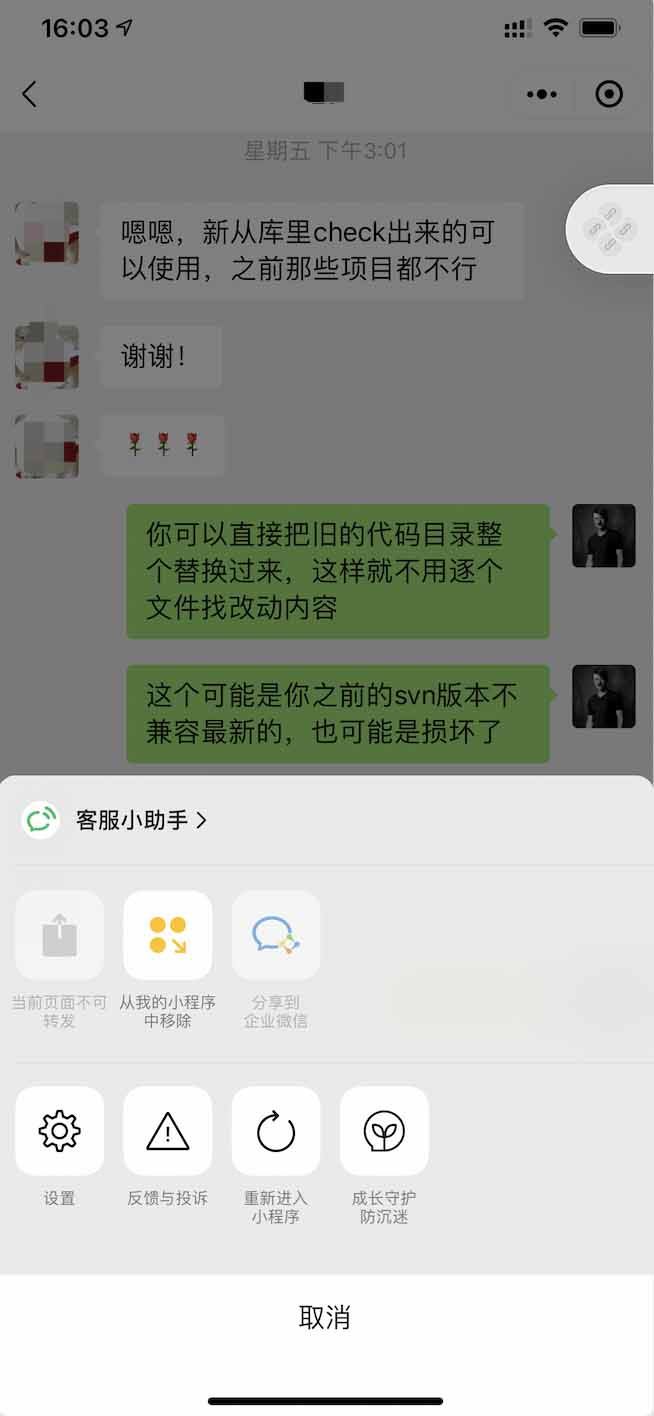
 关注我的公众号为您分享各类有用信息
 分享录多端跨平台系统
 粤公网安备 44011202001306号
Defi liquidity management. Decentralized finance (DeFi) has gained significant popularity in recent years as a way to provide financial services without the need for traditional financial intermediaries. One of the key components of DeFi is liquidity, which refers to the ability to buy or sell an asset without causing a significant change in its price. Liquidity management is crucial in DeFi mysticfinance to ensure that users can easily access the assets they need and that the markets remain efficient and stable. Liquidity management in DeFi involves a variety of strategies and techniques to ensure that there is enough liquidity in the system to meet user demand. One common approach is to provide liquidity to decentralized exchanges (DEXs) by depositing assets into liquidity pools. These pools allow users to trade assets directly with each other, without the need for a centralized intermediary. By providing liquidity to these pools, users can earn fees in return for their contributions. Another important aspect of liquidity management in DeFi is the use of automated market makers (AMMs). AMMs are algorithms that automatically set prices for trading pairs based on the ratio of assets in a liquidity pool. This helps to ensure that there is always liquidity available for trading, even in volatile market conditions. By using AMMs, DeFi platforms can provide users with a seamless trading experience while also maintaining market stability. In addition to providing liquidity to DEXs and using AMMs, DeFi projects also use a variety of other strategies to manage liquidity. For example, some projects use token bonding curves to automatically adjust the price of a token based on its supply and demand. This helps to stabilize the price of the token and ensure that there is always enough liquidity available for trading. Furthermore, DeFi projects often rely on liquidity incentives to encourage users to provide liquidity to their platforms. These incentives can come in the form of fees, rewards, or other incentives that are designed to attract liquidity providers and ensure that there is enough liquidity available for users to trade. By providing these incentives, DeFi projects can ensure that their platforms remain liquid and efficient. Overall, liquidity management is a crucial aspect of DeFi that helps to ensure the stability and efficiency of decentralized financial markets. By using a variety of strategies and techniques, DeFi projects can ensure that there is always enough liquidity available for users to trade and that the markets remain efficient and stable. As DeFi continues to grow and evolve, liquidity management will remain a key focus for projects looking to provide users with a seamless and reliable financial experience.